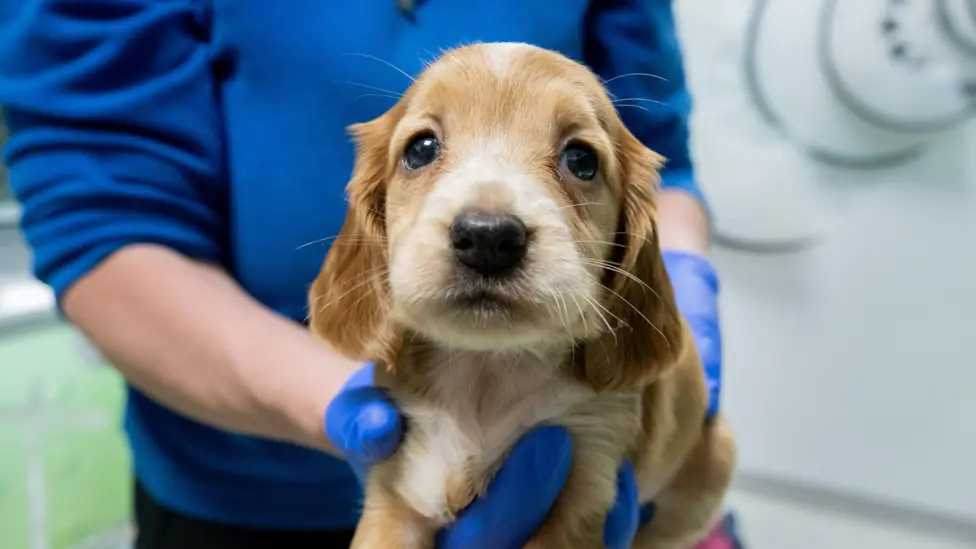
Reports from puppy buyers whose new pets became seriously ill led to a joint investigation in Worksop. A total of 53 dogs were subsequently removed from a property because of concerns about their welfare.
Reports from puppy buyers prompted the investigation
Nottinghamshire Police searched a property in Worksop as part of an investigation into the suspected unlawful breeding and sale of puppies. The operation was supported by Bassetlaw District Council and the Animal Welfare Investigations Project, known as AWIP. Information had been received from several people who reported that puppies became seriously ill shortly after being brought home, leaving some buyers with substantial veterinary bills and considerable emotional distress.
Fifty three dogs removed over welfare concerns
During the search, officers removed 53 dogs from the property because of concerns about their living conditions and welfare. A dog believed to be an XL Bully type was also seized, together with several mobile phones and other items considered relevant to the investigation. Bassetlaw District Council said the dogs had been kept in appalling conditions and worked alongside the police and AWIP to remove the animals while enquiries continued.
Five puppies euthanised following parvovirus diagnosis
Five of the rescued puppies had to be euthanised after testing positive for canine parvovirus. The highly contagious and potentially fatal disease can cause severe vomiting, diarrhoea, dehydration and lethargy, with young puppies particularly vulnerable to becoming seriously ill. The surviving rescued puppies were placed in isolation and received care through AWIP while arrangements for fostering were considered.
Man interviewed under caution
A 33 year old man from Worksop voluntarily attended a police station on the day following the search and was interviewed under caution in connection with the investigation. Police said the evidence removed from the property would be reviewed as part of ongoing enquiries into suspected offences connected with the unlawful breeding and sale of puppies. Being interviewed under caution does not mean that a person has been charged or found guilty, and the original report described this as an active investigation.
Why dog breeding licensing is important
Dog breeding licences allow local authorities to inspect commercial breeding premises and monitor the health, welfare and care of the dogs kept there. Licensed breeders must meet minimum welfare conditions and maintain records relating to their dogs, litters, veterinary care and puppy sales. This case also demonstrates the importance of puppy buyers reporting concerns, as information from several buyers helped the council, police and animal welfare investigators identify a possible pattern and take action to protect the dogs.
How to check a breeder before buying a puppy
Before paying a deposit or agreeing to purchase a puppy, buyers should carry out several important checks:
- Ask the breeder whether they hold a local authority dog breeding licence.
- Request the licence number, the name of the issuing council and its expiry date.
- Use the licence check on our breeder directory to search for the breeder.
- Confirm the information through the issuing council’s public register or contact the council’s licensing team.
- Check that the name, business name and breeding address correspond with the licence details.
- Visit the premises where the puppy was bred and see the puppy interacting with its mother.
- Ask to see veterinary records and relevant health testing results for both parents.
- Be cautious if a seller advertises several breeds or litters but claims not to operate as a business.
- Do not agree to collect a puppy from a car park, service station or unrelated address.
- Do not allow a seller to pressure you into making an immediate payment or taking a puppy home before you are satisfied.
Registration papers do not prove a breeder is licensed
A Royal Kennel Club registration certificate, pedigree document or certificate from another registration service is not a local authority dog breeding licence. Registration papers do not, by themselves, prove that a breeder has been inspected by the council or is complying with dog breeding legislation. Anyone claiming to be licensed should be able to provide details that can be independently verified.
Not every breeder without a licence is acting illegally. In England, a licence is generally required when someone breeds three or more litters within a 12 month period and sells puppies, or when they breed dogs and advertise a business of selling dogs. Commercial activity can require a licence even when fewer than three litters are produced.
Reporting suspected unlicensed breeding
Concerns about possible unlicensed commercial breeding should be reported to the licensing team at the breeder’s local council. Information such as advertisements, seller details, addresses, payment records, messages and veterinary evidence may help officers assess a complaint. If a recently purchased puppy becomes ill, contact a veterinary practice promptly and retain copies of all veterinary records and receipts.
Sources
- BBC News: 53 dogs seized in Worksop puppy breeding investigation.
- GOV.UK: Dog breeding licensing statutory guidance for local authorities.
Looking for a licensed dog breeder?
Search the directory to find dog breeders licensed by local authorities across the UK.