
Choosing a Puppy in the UK: A Practical Buyer’s Guide

Buying a puppy is an exciting prospect but it can also be stressful. Trying to understand what breed you should buy and also identify breeder red flags and when to step away.
This guide walks you through how to choose the right breed for your life, find and vet a responsible licensed breeder, spot red flags, and get through those crucial first nights at home.
Across the UK and Ireland, there are around 2,897 licensed dog breeders, with England accounting for the majority at 81.3%. Yet despite licensing regulations, it is estimated that three-quarters of UK puppies (75–80%) still come from unlicensed, illegal, or unverified sources, highlighting an ongoing and serious welfare issue.
1. Start with You - Does the breed fit your lifestyle?
Before you purchase a puppy, think about:
- Your routine: Realistically, how many hours can you be with your dog each day? Are there consistent breaks for toilet trips and training?
- Space & noise: Flat vs. house; garden access; neighbours; stairs.
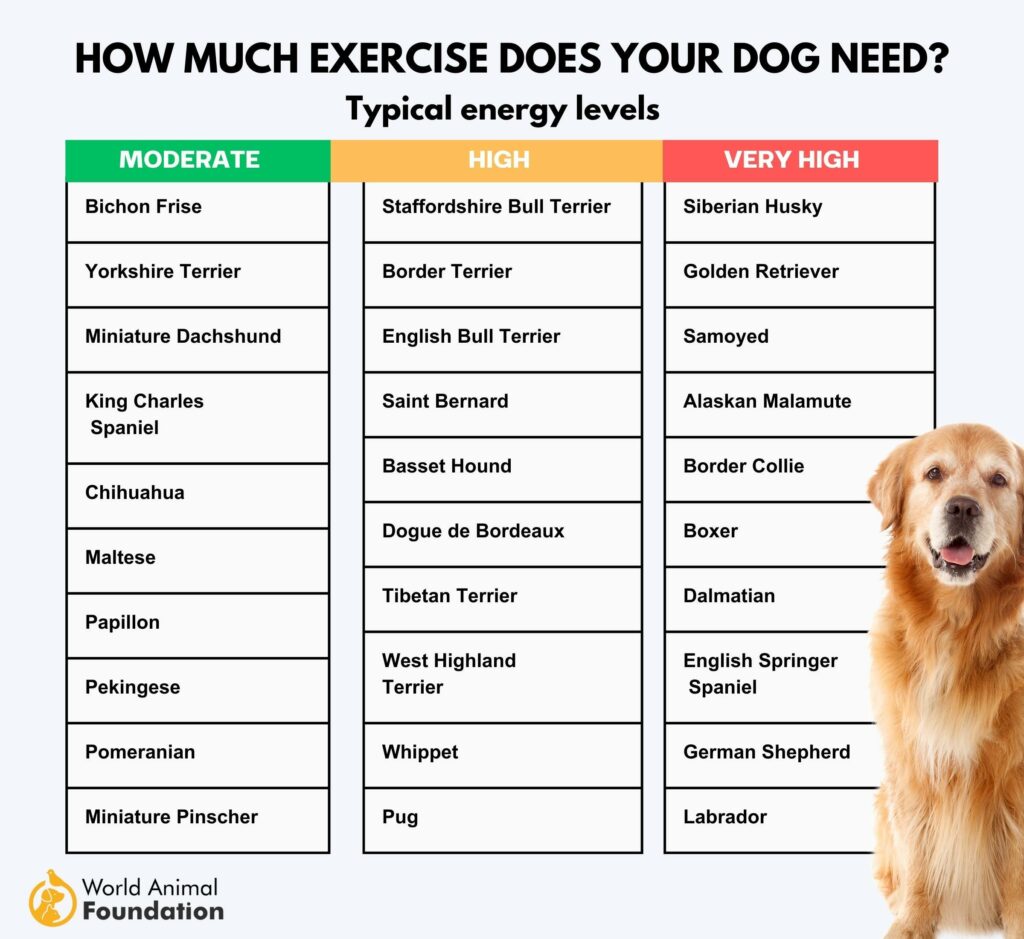
- Activity level: Daily exercise you enjoy (and can sustain all year).
- Grooming: From low-shed to regular salon grooms.
- Family: Young children, elderly relatives, other pets, allergies.
Tip: Draw up two lists. non‑negotiables (e.g. low‑shedding, small size) and nice‑to‑haves (e.g. loves swimming). Use them to rule breeds in/out
2. Licensed vs. Unlicensed
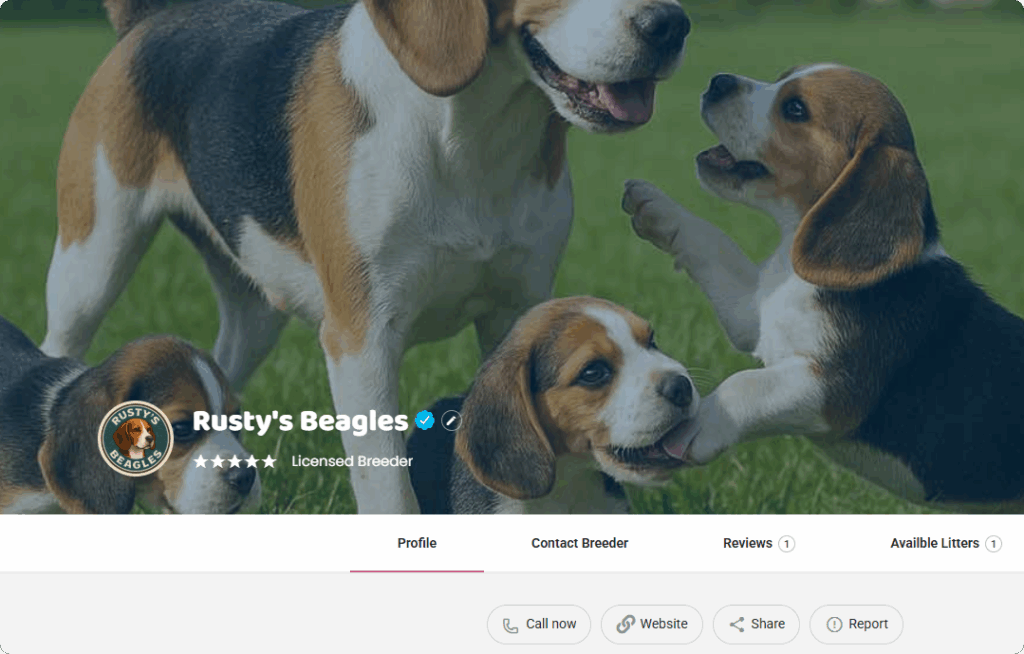
A licence signals the breeder has been inspected and must meet welfare and record‑keeping standards. It isn’t a guarantee of excellence, but it’s a strong baseline. It proves that their establishment and breeding practices comply to animal welfare standards, unlike unlicensed breeders who are not regulated at all.
Benefits of a licensed breeder
- You can visit the place the puppies were born and meet mum.
- Written records: vaccinations, microchip, worming, health tests, sales contract.
- Clear accountability and a paper trail if something goes wrong.
- Many licensed breeders offer ongoing support and a lifetime take‑back policy.
Risks with unlicensed sellers
- Hidden puppy‑farm conditions; poor socialisation; infectious disease.
- Forged or missing paperwork (e.g. microchip and vaccination cards).
- No comebacks from funding illegal activity
- Puppy could be illegally imported
How to verify a licence
- Ask for the breeder’s local authority licence number and the issuing council.
- Check the council’s public register (many publish these) or ask the licensing team to confirm the details.
- Lookout for the verfied tick on our listings – this means our team has double checked.
In England, you can also ask the star rating and licence term (1–3 years) to understand risk and inspection frequency.
3. Finding Reputable Breeders
Not all breeders are licensed and this maybe because they have one litter a year, simply to keep their linege. Usually, this is safe way to get a new puppy but there are a few red flags to look out for:
The asking price for the puppy is important – if the cost is high, its possible they need to be licensed as a business.
How did you find them? If they’re advertising whole litters on popular selling platforms – they probably need a license.
Best places to find breeders
- Breed clubs & Kennel Club: Shortlists of breeders who follow breed‑specific codes and health testing.
- Shows & events: Meet owners and see adult dogs’ temperaments.
- Personal networks: Good breeders often work from waiting lists—be ready to wait.
- Avoid: Third‑party sellers
4. Health & Genetics: Pedigree, Crossbreeds and “Designer” Dogs
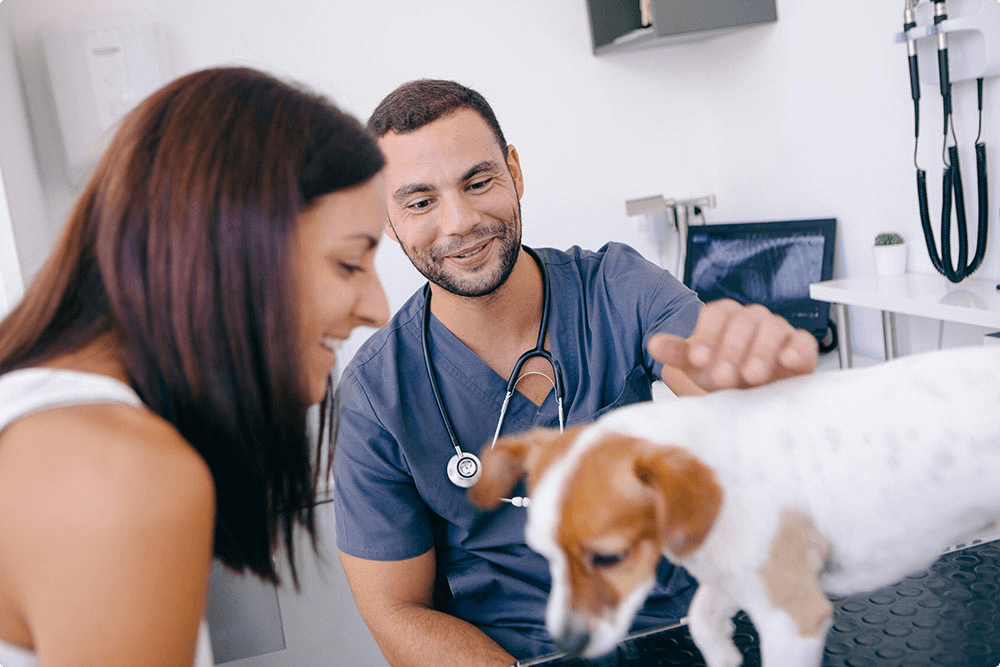
Examples of routinely screened issues
- Joint disease: Hip and, or elbow scoring (common in large active breeds).
- Inherited eye disease: Eye examinations and DNA tests (several spaniel, collie and poodle lines).
- Breathing problems in flat‑faced breeds: Responsible breeders avoid extreme features and use objective schemes where available.
- Designer crosses (e.g. doodles & poos) aren’t automatically healthier. Without testing, two carriers can produce affected pups. Ask for the specific DNA and clinical tests that match each parent breed.
What good breeders happily show you
- Copies of sire and dam test certificates and scores and how they mean
- A written socialisation plan, diet, and puppy-care schedule.
- Insurance cover note (often 4 weeks) and a clear sales contract.
5. Questions to Ask Any Breeder
Do not be shy or think you’re being rude by asking questions. Buying a puppy really is the wild west until puppy selling platforms become regulated or find some sort of morality.
The questions below will get you started…
What to ask?
- How many litters has mum had? How did pregnancy and the whelping go?
- Which health tests have both parents completed? May I see the certificates?
- Are pups microchipped and have they had initial vaccinations & worming?
- Who is the vet?
- Where are puppies raised (household or outbuilding) and how are they socialised?
- Are you licensed?
- What’s your licence number and issuing council?
- What star level is the breeding business (Excuded; Wales, Scotland & Northern Ireland.
- What support do you provide after sale?
- Do you offer lifetime take‑back?
- Can I see mum with the pups? (It’s a hard no if you can’t.)
What documents should you get?
If your breeder is part of The My Licensed Breeder Network, then this part is easy. Your breeder can transfer the puppies digital records to you and you will have the details forever. You can choose to keep these records updated or just login for reference.
However, if your breeder is not part of the network, you will need to request the following doucuments below.
- Breeder’s licence details and receipt with a contract copy.
- Vaccination and worming record
- Copies of health test results for both parents
- Any Kennel Club registration papers (if applicable)
- Insurance cover note and a settling‑in plan
6. Recognising Red Flags & Scams
When to walk away
- Prices that look too good to be true, or pressure to “reserve today”.
- Seller offers to deliver or meet away from their home.
- You cannot meet mum or see where pups are kept.
- Multiple different breeds or litters advertised at once on the same phone number and profile.
- Vague or missing paperwork, or reluctance to share vet details.
7. Budgeting: The Real Cost of a Puppy
The pet industry is massive and it can be difficult to understand what food correct, the best insurance etc. However, these costs will fluxuate.
Expected Costs:
Up‑front:
Purchase price, first vet check, vaccinations, crate and bed, insurance set‑up, training classes.
Ongoing:
Quality food, insurance, boosters, flea and worm control, grooming (some breeds every 6–8 weeks), day care or boarding, unexpected vet care.
8. Bringing Puppy Home
Where should puppy sleep the first night?
- Set up a safe, draft‑free sleeping area (crate or pen) close to you. Proximity reduces distress and barking.
- Use a warm blanket and a soft toy. A worn T‑shirt with your scent helps.
- Expect night‑time toilet trips; set an alarm rather than waiting for crying.
- Crates are useful management tools, not prisons. Introduce positively with short, treat‑filled sessions; door open at first; never for punishment.
9. Puppy Exercise
A common rule of thumb is ~5 minutes of structured exercise per month of age, twice daily (e.g. 15–20 minutes total for a 2‑month‑old).
It’s a guide, not a law. focus on short, fun sessions on soft ground plus lots of sniffing and rest. Your vet can tailor advice for your breed and growth stage.
10. Quick‑Answer FAQs
When is a puppy legally ready to leave?
8 weeks is typical; earlier handovers are a red flag.
Should I pay a deposit?
Only after you’ve visited, met mum and seen paperwork; pay by traceable method and get a receipt with conditions (e.g., refund if health issue arises pre‑collection).
Can I buy a puppy that isn’t microchipped?
UK law requires dogs to be microchipped; reputable breeders chip before sale and transfer details to you.
How often should I feed a puppy?
Little and often; typically 3–4 meals daily at first (follow breeder/vet plan).
Is a pedigree better than a crossbreed?
Neither is “better” by default. What matters is ethical breeding, health tests, and temperament that suit your life.