A Cheltenham resident has been convicted of animal welfare and fraud offences after breeding and selling French Bulldogs without a licence. The case followed reports about puppies being advertised on social media, including one puppy that was found to be seriously unwell after being sold to a member of the public.
French Bulldogs advertised without a breeding licence
Cheltenham Borough Council began investigating after receiving reports that French Bulldogs were being bred and sold from a residential address without the required licence. The puppies were advertised through social media, but the person responsible was operating outside the local authority licensing system.
At a hearing in 2024, the resident pleaded not guilty to offences under the Animal Welfare Act 2006 and the Fraud Act 2006. The allegations included causing unnecessary suffering and publishing false or misleading information in advertisements used to sell the puppies.
Seriously ill puppy sold through a misleading advert
One of the puppies sold to a member of the public was subsequently found to be seriously unwell. The advertisement stated that both parent dogs had been health tested, but the puppy was later diagnosed with birth defects and Brachycephalic Obstructive Airway Syndrome, commonly known as BOAS.
BOAS is a serious respiratory condition associated with flat faced dogs, including French Bulldogs. It can restrict airflow and affect a dog’s ability to breathe, exercise, sleep and regulate its body temperature. Noisy breathing while resting or completing light exercise should not be accepted as normal simply because a dog belongs to a flat faced breed.
Resident convicted following trial
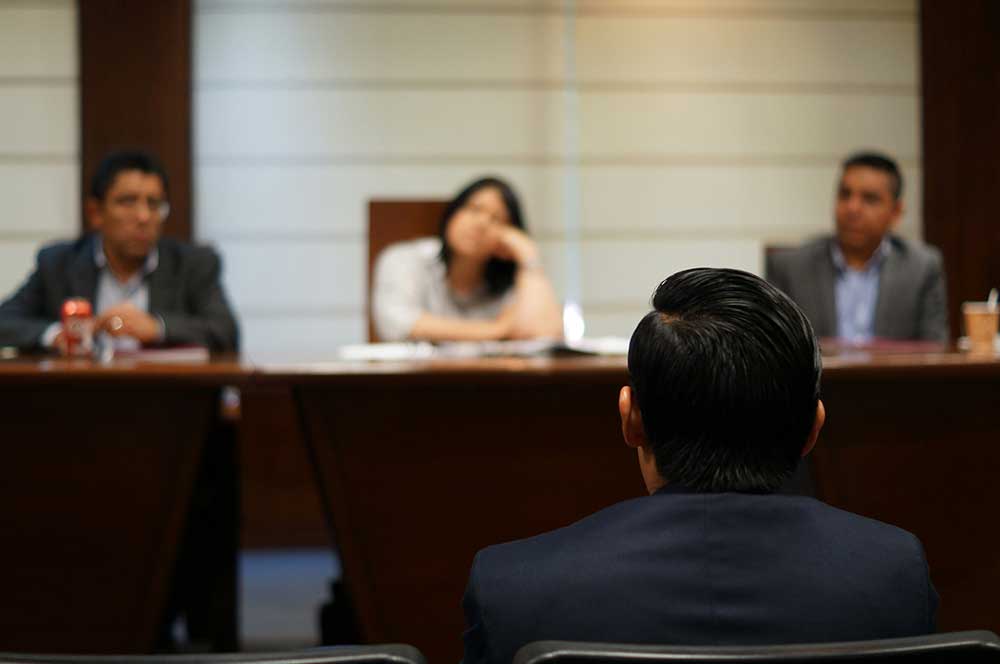
The case went to trial in Cirencester in June 2026, where the resident was found guilty of causing unnecessary suffering and fraud. At the sentencing hearing at Gloucester Crown Court on 24 July 2026, the resident also pleaded guilty to breeding dogs without a licence.
The court imposed an 18 month community order, a mental health treatment requirement and eight Rehabilitation Activity Requirement days. The resident was also ordered to pay £1,000 towards Cheltenham Borough Council’s prosecution costs.
Why false health claims are serious
Health testing statements can heavily influence someone’s decision to purchase a puppy, particularly when choosing a breed associated with inherited or conformational health risks. A buyer may believe that the parents have completed appropriate tests and that the results have been properly considered before breeding. If those claims are false or misleading, the buyer cannot make a properly informed decision about the puppy’s likely health.
Breeders should be able to explain which tests have been completed, why they are relevant to the breed and what the results mean. Buyers should ask to see the original results for both parents rather than relying on an unverified statement in an advert, a screenshot or a verbal assurance.
Licensing provides oversight and accountability
A licensed dog breeder is inspected by the local authority and must meet minimum health and welfare conditions. Licensed breeders must also maintain records relating to their breeding dogs, litters, veterinary care and puppy sales. Their licence number must appear on advertisements, allowing potential buyers to check the business before making contact or paying a deposit.
A licence cannot guarantee that a puppy will never develop a health condition. It does, however, provide evidence that the breeder is known to the council, has been inspected and is subject to enforceable standards. It also gives puppy buyers an identifiable licensing authority to contact if serious welfare, record keeping or compliance concerns arise.
When does a breeder need a licence?
Cheltenham Borough Council’s announcement notes that breeders with an annual turnover of £1,000 or more may fall within licensing requirements. However, the £1,000 trading income allowance should not be treated as the only test. In England, a licence is required where someone breeds three or more litters within a 12 month period and sells puppies, unless they can demonstrate that none of the puppies were sold.
A licence can also be required where someone breeds dogs and advertises a business of selling them, even if fewer than three litters are produced. Anyone breeding puppies for sale should contact their local council for advice rather than assuming that a particular income or litter number automatically exempts them.
What this prosecution demonstrates
This case demonstrates that reports about unlicensed breeding and misleading puppy advertisements can result in a detailed council investigation and criminal prosecution. The investigation involved Cheltenham Borough Council’s public protection team, One Legal and the Counter Fraud and Enforcement Unit.
It also shows that illegal breeding investigations are not limited to checking whether a licence exists. Officers can consider the condition of the dogs, the suitability of the parents for breeding, statements made to buyers and whether advertising has misrepresented important health information.
How puppy buyers can check a breeder
Before paying a deposit or agreeing to purchase a puppy, buyers should complete several checks:
- Ask whether the breeder holds a local authority dog breeding licence.
- Request the licence number, the issuing council and the expiry date.
- Use the licence check on our breeder directory to search for the breeder.
- Confirm the licence through the issuing council’s public register or licensing team.
- Check that the licence number appears on the breeder’s advertisements.
- Make sure the breeder’s name, business name and breeding address correspond with the licence.
- Visit the premises where the puppy was bred and see the puppy interacting with its mother.
- Ask to see original health testing results for both parents and check that the details match the dogs being used.
- Ask the breeder to explain the results and any known health risks affecting the breed.
- Do not proceed if the seller refuses to provide evidence or pressures you into paying immediately.
Registration papers do not prove health or licensing
A Royal Kennel Club registration certificate, pedigree document or certificate from another registration service is not a local authority dog breeding licence. Registration does not prove that the breeder has been inspected by council officers or that all health claims made in an advertisement are accurate.
Registration papers also do not guarantee that a puppy will be free from inherited or conformational conditions. Licensing details and health testing evidence should be checked separately, and neither should be accepted as a replacement for seeing the puppy, its mother and the breeding environment.
Reporting suspected illegal breeding or misleading adverts
Suspected unlicensed commercial breeding should be reported to the licensing team at the breeder’s local council. False or misleading sales information may also be relevant to trading standards or a council counter fraud team. Buyers should retain copies of advertisements, messages, payment records, health claims, veterinary reports and photographs because this information may help investigators establish what was represented at the time of sale.
If a puppy becomes unwell after purchase, veterinary advice should be obtained promptly. The buyer should keep the veterinary report and receipts and inform the relevant council if the condition raises concerns about the breeder’s practices or statements made in the advertisement.
Sources
- Cheltenham Borough Council: Cheltenham resident prosecuted for animal welfare offences, published 7 August 2026.
- Institute of Licensing: Cheltenham resident prosecuted for animal welfare offences.
- GOV.UK: Dog breeding licensing statutory guidance for local authorities.
- Royal Veterinary College: Noisy breathing and welfare in flat faced dogs.
Looking for a licensed dog breeder?
Search the directory to find dog breeders licensed by local authorities across the UK.